The post Mortgage Rates Today: Where They Stand and What Experts Predict for the Future appeared first on The Vision Team.
]]>Mortgage interest rates remain a major focus for homebuyers, sellers, and real estate professionals in 2025. After several years of volatility, many are wondering whether relief is finally on the horizon. Here’s a breakdown of where mortgage rates stand today, what’s driving them, and what industry experts expect as we move toward 2026.
Current Mortgage Rates
As of early October 2025, the average 30-year fixed mortgage rate sits around 6.30% to 6.35%, while 15-year fixed loans average between 5.5% and 5.7%.
That’s slightly lower than the peaks seen earlier this year, when rates approached 7%, but still well above the historically low levels of 2020–2021. The Mortgage Bankers Association recently reported 30-year rates near 6.46%, signaling what analysts call a “high but easing” environment.
What’s Influencing Today’s Rates
Several key factors are shaping mortgage interest rates right now:
1. Treasury Yields and Bond Markets
Mortgage rates often track the yield on the 10-year U.S. Treasury note, which reflects investor expectations about inflation and economic growth. When Treasury yields rise, mortgage rates tend to follow.
2. Federal Reserve Policy
The Federal Reserve plays a crucial role. After holding rates steady for much of the year, the Fed cut rates by 0.25% in September 2025, marking its first rate reduction in over a year.
More cuts are expected in October and December, according to analysts at Bank of America and Reuters. However, since financial markets often price in these changes early, mortgage rates may not fall sharply in response.
3. Inflation and Economic Data
If inflation remains stubborn or the job market stays strong, mortgage rates could stay elevated. On the other hand, if data begins to show a slowdown, long-term rates may begin to ease through late 2025.
4. Housing Demand and Lending Conditions
Higher borrowing costs have cooled buyer demand, yet limited housing inventory continues to keep home prices high. Lenders are also maintaining tighter credit standards, which can slightly elevate rates compared to benchmark Treasury yields.
Mortgage Rate Predictions: Late 2025 and Beyond
Through the End of 2025
Most experts expect mortgage rates to hover in the mid-6% range for the remainder of the year.
Some analysts see modest improvement — possibly drifting toward 6.2%–6.4% by year-end if inflation eases — but many agree it’s unlikely rates will fall below 6.0% in 2025.
Looking Ahead to 2026
Forecasts for 2026 are cautiously optimistic.
- Fannie Mae projects that rates could dip below 6% by the end of next year, landing near 5.9% if economic conditions stabilize.
- Other institutions, including Wells Fargo and Forbes Advisors, predict a slower decline, suggesting rates may stay between 6.0%–6.3% well into 2026.
- Persistent inflation or global financial uncertainty could keep rates higher for longer.
Overall, the consensus points to a gradual decline, not a rapid drop.
What This Means for Buyers and Homeowners
For Homebuyers
Affordability remains a challenge. Even with minor rate drops, monthly payments are significantly higher than a few years ago. Still, with housing inventory expected to improve slightly in 2026, buyers may find more opportunities — especially if rates inch closer to 6%.
For Homeowners and Refinancers
If you locked in a mortgage above 7% last year, refinancing could become attractive in the next 12–18 months as rates trend lower. However, waiting too long could be risky if inflation rebounds or if the Fed shifts its tone.
For Sellers
Sellers may benefit as more buyers re-enter the market once rates ease, potentially driving up activity in the spring and summer of 2026.
Bottom Line
Mortgage rates are finally showing signs of stabilization after years of volatility. While it’s unlikely we’ll see the ultra-low 3% rates of 2020 again anytime soon, the outlook for 2026 is cautiously positive.
Experts agree: rates may slowly trend lower — but patience and timing will remain key for anyone looking to buy, sell, or refinance.
The post Mortgage Rates Today: Where They Stand and What Experts Predict for the Future appeared first on The Vision Team.
]]>The post Why You Should Not Wait to Buy a Home appeared first on The Vision Team.
]]>
Why You Should Not Wait to Buy a Home
The decision to buy a home is one of the most significant financial choices you will ever make. While many
potential homebuyers might hesitate, believing they should wait for the “perfect” moment, there are
compelling reasons to consider making your move sooner rather than later. Here are several key factors to
keep in mind when contemplating homeownership.
1. Rising Interest Rates
years, mortgage rates have fluctuated significantly. When rates rise, the cost of borrowing increases, which can
lead to higher monthly payments. Even a small increase in interest rates can have a substantial impact on the
overall cost of your mortgage. By buying now, you can lock in a lower rate and potentially save thousands of
dollars over the life of your loan.
2. Home Prices are Climbing
Real estate markets in many areas are on an upward trajectory, with home prices steadily increasing. Waiting to
buy a home could mean you end up paying significantly more in the future. The longer you wait, the more
equity you miss out on building in a rising market. Purchasing a home sooner allows you to benefit from
appreciation over time, which can be a crucial factor in your long-term financial health.
3. Build Equity Sooner
When you own a home, you are building equity with each mortgage payment. Unlike renting, where your
monthly payments go to a landlord, owning a home means you are investing in your future. The sooner you
buy, the sooner you can start accumulating equity, which can be a valuable asset for future financial needs,
such as retirement or funding education.
4. Tax Benefits
Homeownership comes with various tax advantages that can significantly impact your financial situation.
Mortgage interest and property taxes are often deductible, which can lower your overall tax burden. By waiting
to purchase, you could miss out on these benefits for a longer period. Understanding and leveraging these
deductions can enhance your financial strategy.
5. Create Stability
In uncertain times, owning a home can provide a sense of stability. It allows you to have control over your
living space, as opposed to being subject to the whims of a landlord. Homeownership can also offer more
predictability in your monthly housing expenses, as fixed-rate mortgages ensure that your principal and
interest payments remain stable over time.
6. A Better Investment
Real estate has historically been a solid investment. While there are always market fluctuations, homes tend to
appreciate over the long term. Investing in a home is often more financially rewarding than keeping your
money in a savings account or other low-yield investments. With careful research and planning, buying a home
can yield significant returns.
7. The Emotional and Personal Benefits
Beyond the financial aspects, there are emotional and personal reasons to buy a home. Homeownership offers
the opportunity to create a space that reflects your style and preferences, providing a sense of belonging and
stability. It allows you to establish roots in a community, fostering connections with neighbors and local
businesses.
While waiting to buy a home might seem prudent in uncertain times, the advantages of purchasing now can far
outweigh the benefits of delaying your decision. From financial incentives like lower interest rates and tax
benefits to the emotional satisfaction of owning a home, the reasons to act sooner are compelling. If you’re
ready to take the plunge, now may be the ideal time to find your dream home and start building your future
The post Why You Should Not Wait to Buy a Home appeared first on The Vision Team.
]]>The post Why You Should Hire a Real Estate Agent appeared first on The Vision Team.
]]>
Why You Should Hire a Real Estate Agent
Navigating the real estate market can be a complex and daunting process, whether you’re buying your first
home, selling a property, or investing in real estate. While some might consider tackling this journey
independently, hiring a real estate agent can provide invaluable benefits that streamline the experience and
enhance your outcomes. Here are several compelling reasons to enlist the help of a professional real estate
agent.
1. Expertise and Experience
Real estate agents are trained professionals with in-depth knowledge of the market. They understand the
nuances of buying and selling properties, including local market trends, pricing strategies, and negotiation
tactics. This expertise allows them to guide you through the complexities of the process, helping you make
informed decisions that align with your goals.
2. Access to Listings
One of the most significant advantages of hiring a real estate agent is access to a comprehensive database of
property listings. Agents have access to the Multiple Listing Service (MLS), which provides up-to-date
information on available homes, including those that may not yet be publicly listed. This broader access can
give you a competitive edge, whether you’re buying or selling.
3. Effective Pricing Strategies
Setting the right price for a property is crucial in achieving a successful sale. Real estate agents conduct
thorough market analyses to help determine a fair and competitive price for your home. For buyers, they can
advise on reasonable offers based on comparable sales, ensuring you don’t overpay or undervalue a property.
4. Strong Negotiation Skills
Negotiation is a key component of any real estate transaction. Experienced agents know how to advocate for
their clients’ interests, whether negotiating the price of a home or addressing repair requests after an
inspection. Their skills in negotiation can lead to better terms and ultimately save you money.
5. Guidance Through Paperwork
Real estate transactions involve a significant amount of paperwork, from contracts and disclosures to closing
documents. A real estate agent can manage this paperwork efficiently, ensuring that all forms are completed
accurately and submitted on time. This reduces the risk of errors that could delay the transaction or lead to
legal issues down the line.
6. Market Insights and Trends
Agents are well-versed in the local real estate market, including neighborhood trends, school districts, and
future developments. This information can be invaluable when making a decision about where to buy or how to
market a property for sale. Their insights can help you choose the right location based on your lifestyle,
investment goals, or family needs.
7. Network of Professionals
Real estate agents have a vast network of contacts in the industry, including mortgage brokers, home
inspectors, appraisers, and contractors. They can refer you to trusted professionals, simplifying the process of
finding reliable services needed during a transaction. This network can also help streamline your buying or
selling experience.
8. Emotional Support and Guidance
Buying or selling a home can be an emotional journey. A real estate agent serves not only as a professional
advisor but also as a source of support throughout the process. They can help manage expectations, provide
reassurance during negotiations, and offer guidance through any challenges that may arise.
9. Time Savings
The process of buying or selling a home can be incredibly time-consuming. An experienced agent can take on
much of the legwork, from scheduling showings to conducting market research and managing communication
with other parties. This allows you to focus on your day-to-day life while still making progress toward your real
estate goals.
10. Peace of Mind
Ultimately, hiring a real estate agent offers peace of mind. Knowing that you have a knowledgeable advocate
on your side can alleviate the stress that often accompanies real estate transactions. You can feel confident
that you are making informed decisions and that your interests are being prioritized throughout the process.
In a world where real estate transactions can feel overwhelming, hiring a real estate agent is an investment in
your success. With their expertise, resources, and support, agents provide a level of service that can make a
significant difference in your buying or selling experience. Whether you’re a seasoned investor or a first-time
homebuyer, having a dedicated professional by your side can lead to better outcomes and a smoother journey
toward achieving your real estate goals.
The post Why You Should Hire a Real Estate Agent appeared first on The Vision Team.
]]>In the dynamic world of real estate, whether you’re a first-time buyer or a seasoned investor, navigating the buying and selling process can be both thrilling and daunting. From finding the perfect home to negotiating the best deal, here are some invaluable tips to guide you through your real estate journey.
Buying Tips:
Define Your Needs and Budget: Before you start browsing listings, clearly outline your priorities. Determine the type of property you need (e.g., single-family home, condo, investment property), desired location, and essential features. Establishing a budget early on will help you narrow down options and avoid unnecessary financial strain.
Research the Market: Stay informed about current market trends, property prices, and inventory in your desired area. Understanding market conditions (whether it’s a buyer’s or seller’s market) will empower you to make informed decisions and negotiate effectively.
Get Pre-Approved for a Mortgage: If you require financing, obtaining a mortgage preapproval is crucial. This step not only solidifies your budget but also demonstrates to sellers that you’re a serious buyer, potentially giving you an edge in competitive markets.
Work with a Local Real Estate Agent: A knowledgeable local real estate agent can provide invaluable guidance and access to exclusive listings. They understand the nuances of the market, can negotiate on your behalf, and streamline the buying process.
Inspect Thoroughly: Once you find a property you like, conduct a thorough inspection. Look beyond the aesthetics to evaluate structural integrity, potential repairs, and any hidden
issues. A professional inspection can uncover costly problems early on, saving you from future headaches.
Selling Tips:
Set the Right Price: Pricing your property correctly is key to attracting potential buyers and maximizing your return. Conduct a comparative market analysis (CMA) to assess recent sales of similar properties in your area. Your real estate agent can provide valuable insights to help you set a competitive yet realistic price.
Enhance Curb Appeal: First impressions matter. Boost your home’s curb appeal by tidying up landscaping, applying a fresh coat of paint if needed, and ensuring the exterior is wellmaintained. A welcoming exterior sets a positive tone for potential buyers.
Stage Effectively: Proper staging can significantly enhance your home’s appeal and help buyers envision themselves living there. Declutter, depersonalize, and arrange furniture to showcase each room’s potential. Professional staging services can provide expert guidance if needed.
Market Strategically: Utilize a comprehensive marketing strategy to reach a wide audience. This may include professional photography, virtual tours, online listings on popular real estate websites, social media promotion, and traditional advertising methods. The goal is to generate interest and attract qualified buyers.
Negotiate Wisely: When offers start coming in, approach negotiations with a clear strategy. Evaluate each offer based on price, contingencies, and closing timeline. Your real estate agent can advocate on your behalf and help you navigate counteroffers to achieve the best possible terms.
Finally, buying and selling real estate involves significant financial decisions and emotional investment. By understanding market dynamics, leveraging professional expertise, and following these tips, you can navigate the process with confidence. Whether you’re buying your dream home or selling an investment property, careful planning and informed decisions are key to achieving your real estate goals.
The post Navigating the Real Estate Market: Essential Tips for Buying and Selling Property appeared first on The Vision Team.
]]>The post Elevate Your Space: Home Improvement and Renovation Tips for Every Homeowner appeared first on The Vision Team.
]]>Elevate Your Space: Home Improvement and Renovation Tips for Every Homeowner
Embarking on a home improvement or renovation project can be an exciting journey filled with possibilities to enhance your living space. Whether you’re aiming to increase property value, personalize your home, or simply make it more functional, here are some essential tips to guide you through the process.
1. Define Your Goals and Priorities
Before diving into any renovation project, take the time to clearly define your goals and priorities. Ask yourself what you hope to achieve with the renovation. Are you looking to update outdated features, expand living areas, improve energy efficiency, or enhance aesthetic appeal? Understanding your objectives will help you stay focused and make informed decisions throughout the project.
2. Set a Realistic Budget
Establishing a realistic budget is crucial to the success of any home improvement project. Evaluate your finances and determine how much you’re willing and able to invest in renovations. Research costs associated with materials, labor, permits, and unexpected expenses. It’s wise to set aside a contingency fund to account for unforeseen circumstances that may arise during the renovation process.
3. Prioritize Essential Repairs
Addressing essential repairs should take precedence over cosmetic upgrades. Inspect your home thoroughly for any structural issues, plumbing or electrical problems, roof leaks, or safety hazards. Fixing these issues early on will prevent them from escalating into more costly and extensive repairs down the road.
4. Plan Your Renovation Timeline
Create a realistic timeline for your renovation project, taking into account factors such as the scope of work, availability of contractors and materials, and any permits required. Be prepared for potential delays and allocate sufficient time for each phase of the renovation process. Effective planning will help minimize disruptions and ensure a smoother renovation experience.
5. Choose Quality Materials and Workmanship
When selecting materials for your renovation, prioritize quality over cost. Opt for durable, energy-efficient, and low-maintenance materials that will stand the test of time. Research reputable suppliers and contractors with a track record of delivering high-quality workmanship. Investing in superior materials and skilled professionals can ultimately save you money in the long run by reducing maintenance and replacement costs.
6. Enhance Energy Efficiency
Consider incorporating energy-efficient upgrades into your renovation plans to reduce utility bills and minimize your home’s environmental impact. Install energy-efficient appliances, upgrade insulation, replace windows with double-pane glass, and consider installing renewable energy systems such as solar panels if feasible. These improvements not only enhance comfort but also add value to your home.
7. Focus on Functionality and Flow
When redesigning your living space, prioritize functionality and flow to create a layout that suits your lifestyle and enhances usability. Consider how each room will be used and ensure that the design facilitates efficient movement and accessibility. Maximize storage options, optimize natural light, and create designated areas for different activities to maximize the functionality of your home.
8. Incorporate Personal Style
While functionality is essential, don’t forget to inject your personal style into the renovation. Choose colors, textures, and finishes that reflect your personality and preferences. Incorporate elements that resonate with your lifestyle and make your home feel uniquely yours. Whether it’s adding artwork, incorporating meaningful decor items, or creating a cozy reading nook, personalizing your space will make it more inviting and enjoyable to live in.
9. Seek Professional Advice When Needed
If you’re unsure about certain aspects of your renovation project or lack the necessary skills, don’t hesitate to seek professional advice. Consult with architects, interior designers, or experienced contractors who can provide expert guidance and help you make informed decisions. Their expertise can ensure that your renovation project meets building codes, adheres to safety standards, and achieves the desired results.
10. Enjoy the Transformation
Finally, embrace the transformation of your home and enjoy the journey of creating a space that meets your needs and reflects your vision. Celebrate each milestone and take pride in the improvements you’ve made to your living environment. Home improvement and renovation projects can be challenging but immensely rewarding, ultimately enhancing both the value and enjoyment of your home. By following these home improvement and renovation tips, you can embark on a successful journey to elevate your living space and create a home that is functional, stylish, and uniquely yours. Happy renovating!
The post Elevate Your Space: Home Improvement and Renovation Tips for Every Homeowner appeared first on The Vision Team.
]]>The post Unlocking Potential: Exploring Investment Opportunities in Real Estate appeared first on The Vision Team.
]]>Unlocking Potential: Exploring Investment Opportunities in Real Estate
Real estate has long been regarded as a cornerstone of wealth creation and diversification for investors. From residential properties to commercial ventures, the realm of real estate offers a spectrum of opportunities to capitalize on market trends, generate passive income, and build long-term equity. Whether you’re a seasoned investor or a newcomer to the field, understanding the various avenues available can help you make informed decisions and maximize returns on your investment. Here’s a comprehensive overview of key investment opportunities in real estate:
1. Residential Rental Properties:
Investing in residential rental properties involves purchasing homes or apartments with the intention of leasing them to tenants. This strategy offers steady rental income, potential tax advantages, and the opportunity to build equity over time as property values appreciate. Key considerations include location (demand for rental properties), rental market trends, property management, and maintenance costs.
2. Fix-and-Flip Properties:
Flipping properties involves purchasing distressed or undervalued homes, renovating them to increase their market value, and selling them for a profit. Successful flipping requires a keen eye for properties with renovation potential, knowledge of local market trends, and expertise in managing renovation projects within budget and timeframe constraints. While potentially lucrative, flipping properties also carries risks such as unexpected renovation costs or market downturns.
3. Commercial Real Estate:
Investing in commercial real estate encompasses properties used for business purposes, such as office buildings, retail spaces, industrial complexes, and multi-family apartment buildings. Commercial real estate offers higher income potential through long-term leases with commercial tenants, typically yielding higher rental returns compared to residential properties. However, it requires thorough due diligence, understanding of local zoning laws, and potential fluctuations in vacancy rates and market demand.
4. Real Estate Investment Trusts (REITs):
REITs are investment vehicles that allow individuals to invest in real estate portfolios managed by professionals. These portfolios often include a diversified range of properties such as office buildings, shopping malls, apartments, and hotels. REITs provide investors with an opportunity to earn dividends from rental income and capital appreciation without directly owning physical properties. They offer liquidity, diversification, and potential tax benefits, making them a popular choice for passive real estate investors.
5. Vacation Rental Properties:
Investing in vacation rental properties involves purchasing homes or condos in popular tourist destinations and renting them out to vacationers on a short-term basis. This strategy can generate higher rental income during peak tourist seasons compared to traditional longterm rentals. However, it requires careful management of occupancy rates, property maintenance, and compliance with local vacation rental regulations.
6. Real Estate Crowdfunding:
Real estate crowdfunding platforms enable investors to pool their capital with others to invest in larger real estate projects, such as residential developments, commercial properties, or infrastructure projects. Crowdfunding offers access to real estate investments with lower capital requirements, diversification across multiple properties, and potential for higher returns compared to traditional investments. Investors should research platforms carefully, consider investment risks, and understand terms and fees associated with crowdfunding investments.
7. Land Development:
Investing in land development involves purchasing undeveloped or underutilized land with the goal of rezoning, subdividing, and developing it for residential or commercial purposes. Successful land development requires thorough feasibility studies, understanding of local zoning regulations, infrastructure considerations, and market demand for developed properties. It offers potential for significant capital appreciation but involves longer investment horizons and higher development risks.
Lastly, real estate investment offers a myriad of opportunities for investors seeking income, capital appreciation, and portfolio diversification. Whether you prefer the stability of rental properties, the potential gains from flipping houses, or the passive income from REITs and crowdfunding, each investment avenue requires careful research, risk assessment, and strategic planning. By understanding your financial goals, conducting due diligence, and leveraging professional advice when necessary, you can navigate the complexities of real estate investing and unlock the potential for long-term financial success.
The post Unlocking Potential: Exploring Investment Opportunities in Real Estate appeared first on The Vision Team.
]]>The post Navigating the Current Real Estate Landscape: KeyMarket Trends appeared first on The Vision Team.
]]>Navigating the Current Real Estate Landscape: Key Market Trends
Understanding market trends is essential for anyone involved in real estate, whether as a buyer, seller, investor, or industry professional. The real estate market is influenced by various economic, social, and demographic factors that shape demand, supply, and pricing dynamics. Here’s an insightful exploration of the current trends shaping the real estate market.
Supply and Demand Dynamics:
The balance between supply and demand continues to be a critical factor in real estate markets worldwide. In many urban areas, there has been a trend of limited housing inventory relative to robust demand, leading to competitive bidding wars and rising property prices. Factors contributing to this imbalance include population growth, migration patterns, and limited new construction in desirable locations.
Remote Work and Housing Preferences:
The shift towards remote work has significantly influenced housing preferences and market trends. Many individuals and families now prioritize homes with dedicated office spaces, outdoor areas, and proximity to amenities rather than commuting distance to city centers. Suburban and rural areas have seen increased demand as remote workers seek larger homes and a better quality of life outside urban cores.
Impact of Interest Rates:
Interest rates play a crucial role in the affordability of real estate purchases. Historically low mortgage rates have incentivized buyers to enter the market, boosting demand and supporting higher home prices. However, any potential increases in interest rates could temper demand and affect affordability, potentially influencing market activity and pricing trends.
Housing Affordability Challenges:
Rising home prices, coupled with wage growth that hasn’t kept pace, have contributed to housing affordability challenges in many markets. This disparity has made it difficult for firsttime homebuyers to enter the market, leading to increased competition for affordable properties and a growing demand for rental housing alternatives.
Sustainability and Energy Efficiency:
There is a growing emphasis on sustainability and energy efficiency in real estate. Green building practices, energy-efficient homes, and sustainable design features not only appeal to environmentally-conscious buyers but also contribute to reduced operating costs for homeowners. Properties with green certifications or energy-saving features often command higher resale values and attract a wider pool of prospective buyers.
Technology and Real Estate Transactions:
Advancements in technology have transformed how real estate transactions are conducted. Virtual tours, 3D modeling, and digital marketing tools have become standard practices for property listings, enabling buyers to explore homes remotely. Additionally, blockchain technology is being explored for streamlining property transactions, enhancing transparency, and reducing administrative costs in real estate transactions.
Shifts in Investment Preferences:
Investor preferences have shifted in response to market conditions and economic uncertainties. Real estate investment trusts (REITs), which offer investors exposure to diversified portfolios of income-generating properties, have gained popularity as a passive investment vehicle. Moreover, there is growing interest in alternative real estate investments such as co-living spaces, senior housing, and data centers, reflecting changing demographics and lifestyle preferences.
Finally, staying informed about current market trends is crucial for making informed decisions in real estate. Whether you’re buying a home, selling property, investing in rental units, or exploring commercial opportunities, understanding the factors driving market dynamics can help you navigate challenges and capitalize on opportunities. By monitoring supply and demand dynamics, adapting to shifts in housing preferences, and embracing technological innovations, stakeholders in the real estate market can position themselves for success in an evolving landscape.
The post Navigating the Current Real Estate Landscape: KeyMarket Trends appeared first on The Vision Team.
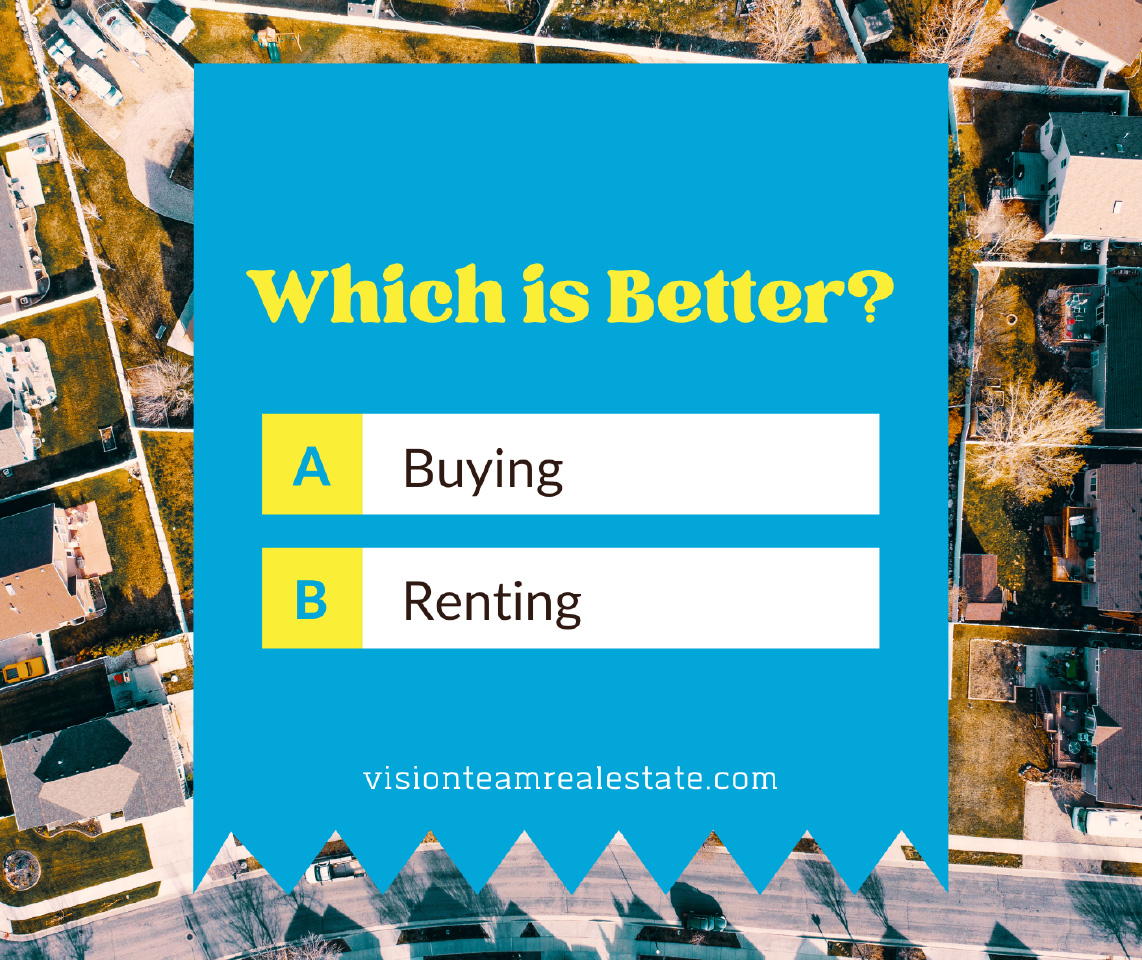
]]>Buying VS Renting. Which is Better?
A significant component of the American Dream is property ownership. However, deciding whether to buy or rent is a considerable choice that impacts your financial situation, way of life, and personal goals. It’s not just about ownership when deciding between renting and buying a house. It can be both a financial and a lifestyle decision. Depending on your lifestyle and financial position, you can select any one of the options. Both demand a consistent source of income (so you can afford the payments and related expenses) and may also involve some maintenance work.
Becoming a homeowner might be a terrific choice for many people, but it’s not the best option for everyone. For many people, home ownership makes sense at various times of life. When deciding whether to purchase a property, it makes sense to consider your financial situation and your personal goals.
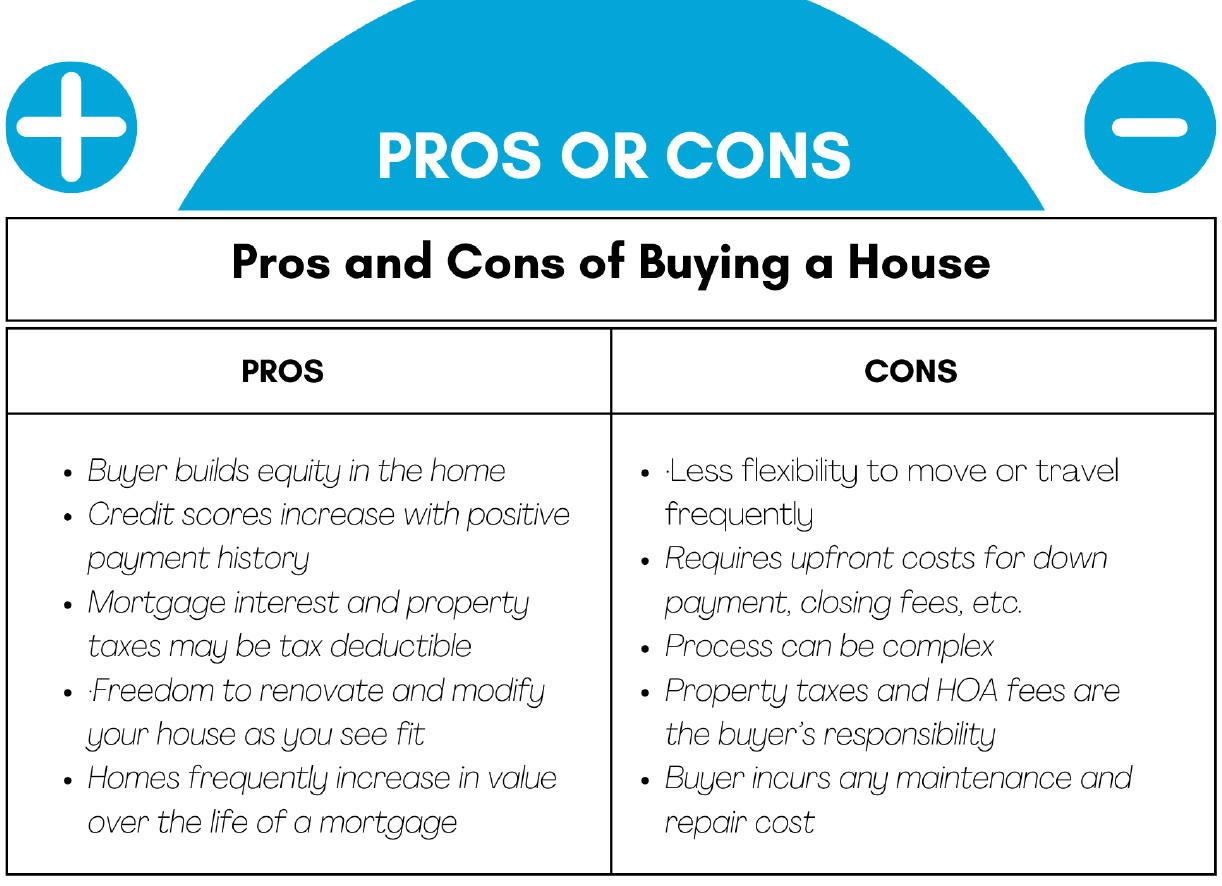
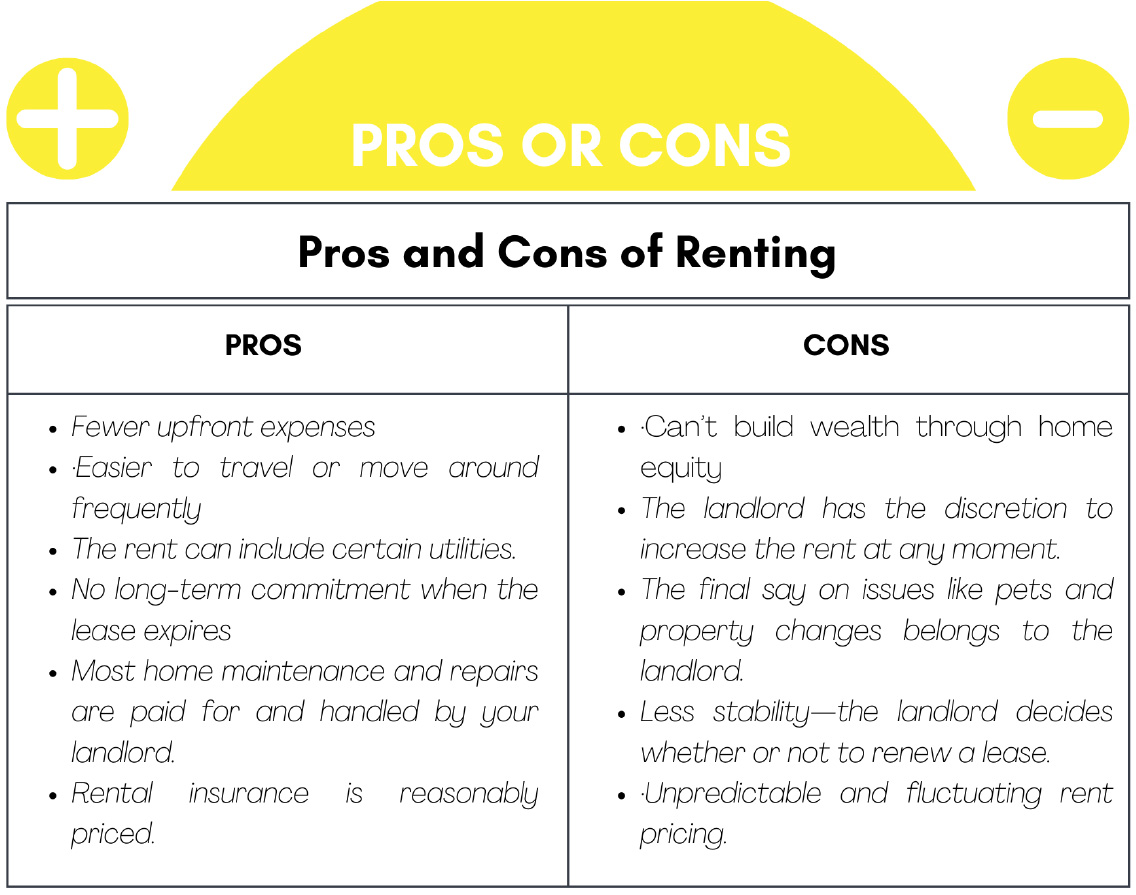
Is it better to rent or buy a house? Renting allows you to relocate whenever you choose and requires less capital. Renting isn’t always as easy as it sounds, and owning a home isn’t always preferable to renting. But buying a property will enable you to increase your wealth and equity. Determining whether to buy or rent at this time is intriguing. As stated by the U.S. According to the Census Bureau, 65.4 percent of Americans were homeowners nationwide in the first quarter of 2022, or roughly two-thirds of the population. It depends on various factors, including your financial situation and how you feel about the issue. Before deciding, one should weigh the advantages and downsides of renting and buying.
What Are the Pros and Cons of Buying vs. Renting?
When To Reconsider Renting vs. Buying
To make sure that your decision is still the best, it’s a good idea to periodically review your living situation as your life and the housing market change. The need for ideal space and an expanding family may be driving forces behind home purchases. Buying can be better if rent prices rise or home prices decrease.
Whether to buy or rent involves a lot of money and has long-term implications. Further complicating the choice at the moment are the low mortgage rates, the tight property market, and the shifting nature of work and geographical requirements. You can decide whether it makes more sense to rent or buy your future home by considering how long you want to stay in that location and your savings and budget for unforeseen costs.
What is the correct response? The good news is that you can decide how to respond. The bad news is that it’s simple to picture yourself looking back and regretting spending so many years renting, buying your home, or even doing so at a different point in your life. Decide whether you think it’s wiser to rent or buy a home as soon as possible to avoid financial troubles in the future.
If you’re unsure whether or not you want to rent or buy right now… it’s better to make your decision based on your personal situation and your personal needs,” said Lexie Holbert, housing and lifestyle expert for Realtor.com.
At Vision Team, our goal is to provide you with the best home buying and home selling experience you have ever had. Our no-pressure approach means everything on this site is free for you to use, and you only have to worry about contacting us when you are ready or need some help!
The post Buying VS Renting. Which is Better? appeared first on The Vision Team.
]]>The post Home Staging Tips appeared first on The Vision Team.
]]>1. Keep the home CLEAN! – you want your home looking nice and clean for every potential buyer that comes to see your home. Make sure to arrange the living areas so that everything is open with plenty of space to walk through.
2. Reduce Clutter – Again, you want prospective buyers to be able to “see” themselves in the home. Reducing clutter is a great way to assist in that vision. The goal is to have as little clutter as possible so that buyers can envision the home the way they would arrange it.
3. Take out some furniture to give room to allow for more space if the area is looking rather small – furniture can add to clutter. So, to open up an area more you may want to remove some non-essential pieces of furniture. This will make the rooms look bigger and allow more natural sunlight to come in.
4. Generally, you should avoid using the following colors: pink, red, purple, and neon shades – if you have these shades of color, grab a can of neutral paint and get rid of those colors. You want to avoid bright colors and incorporate more light and natural tones into your color scheme.
5. Turn on all of the lights and open up all curtains – this will aid in brightening the room with natural light and really emphasizing the features of the home. You don’t want your potential buyers navigating in the dark! Light up the home and really show it off!
6. Odd numbered groups of pictures are more pleasing to the eye, along with varying sizes – try to decrease the number of personal pictures on display. It would be rather hard for buyers to see themselves in the home when they are seeing pictures of other people. Try to lean more towards scenic décor and pictures.
There are many guaranteed ways to help you sell your home. It can be the smallest change that makes the difference. The key is to stage the home in a way so that your buyers can visualize themselves living in the home. Home staging can be done whether you are selling your home yourself or with the assistance of a realtor.
1. Keep the home CLEAN! – you want your home looking nice and clean for every potential buyer that comes to see your home. Make sure to arrange the living areas so that everything is open with plenty of space to walk through.
2. Reduce Clutter – Again, you want prospective buyers to be able to “see” themselves in the home. Reducing clutter is a great way to assist in that vision. The goal is to have as little clutter as possible so that buyers can envision the home the way they would arrange it.
3. Take out some furniture to give room to allow for more space if the area is looking rather small – furniture can add to clutter. So, to open up an area more you may want to remove some non-essential pieces of furniture. This will make the rooms look bigger and allow more natural sunlight to come in.
4. Generally, you should avoid using the following colors: pink, red, purple, and neon shades – if you have these shades of color, grab a can of neutral paint and get rid of those colors. You want to avoid bright colors and incorporate more light and natural tones into your color scheme.
5. Turn on all of the lights and open up all curtains – this will aid in brightening the room with natural light and really emphasizing the features of the home. You don’t want your potential buyers navigating in the dark! Light up the home and really show it off!
6. Odd numbered groups of pictures are more pleasing to the eye, along with varying sizes – try to decrease the number of personal pictures on display. It would be rather hard for buyers to see themselves in the home when they are seeing pictures of other people. Try to lean more towards scenic décor and pictures.
The post Home Staging Tips appeared first on The Vision Team.
]]>The post LET’S TALK ABOUT WHY ITS SO GREAT . . TO LIVE ON THE FLORIDA NATURE COAST! appeared first on The Vision Team.
]]>Most people when they think of living in Florida picture crowded beaches, theme parks, and eating at expensive restaurants. Those are amazing experiences, but when you want to just relax and enjoy the quiet and gorgeous Florida nature to get away from it all – we are here!
We have forests to explore, miles of trails to hike and bike, rivers and the Weeki Wachee Springs to paddle down, camp, and ride horses. Take a breezy kayaking or paddleboarding trip from the top to the bottom of the crystal clear emerald water of Weeki Wachee River. Explore all that the river life has to offer including nature, wildlife, and maybe even stop off at a rope swing into the beautiful water. Take a pit stop at Roger’s Park and head to the Upper Deck for great views and a good bite to eat. You may even see a manatee or an alligator while exploring the river. Visit the historic Downtown Brooksville – and stop by Main Street Eatery to get the BEST Cuban sandwich in town. During the holidays, there are so many festivities to take the whole family to. One such local event, one we would love to see you all come out to, is the downtown Brooksville Christmas event featuring lighting up the big Christmas tree.
Living on the west coast of Florida includes living amongst so many hidden gems. Take in the beauty of the many preserves where you can get a close up look at some of the most beautiful aspects of Florida nature. It’s a wonderful area that is quiet and peaceful outside of a large city. If you are looking for more hustle and bustle, Tampa is only a short drive away. The west coast is also just a drive from Busch Gardens theme park in Tampa, and Disney and Universal Studios in Orlando. When you are wanting to relax, the west nature coast will be the place to go and put your feet up.
Looking for a night life also? The west coast has many bars and restaurants off and on the water! You can easily find great live music and local bands playing at various locations. Florida is also known for its beautiful beaches. There is, of course, Clearwater Beach and other beautiful beaches in the Tampa Bay area that are only a drive away. However, if you are looking for a place near the water to kick back, put your hammock up, and relax with a good book – Pine Island and Hudson Beach are right in your backyard.
The west coast of Florida is a well-kept secret and a beautiful place to visit, live, and explore.
The post LET’S TALK ABOUT WHY ITS SO GREAT . . TO LIVE ON THE FLORIDA NATURE COAST! appeared first on The Vision Team.
]]>